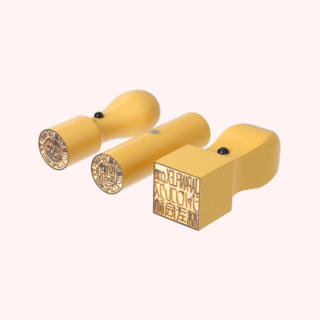

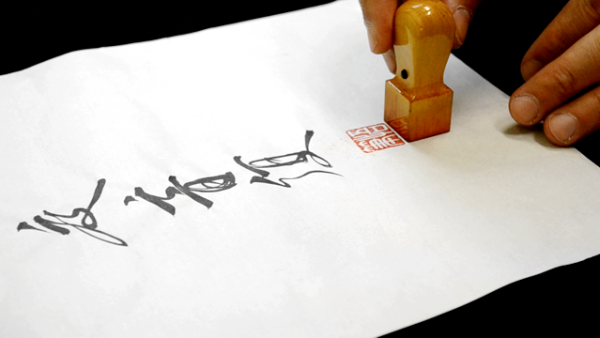
Most foreigners living in Japan encounter a hanko early — at the bank, at their company’s HR desk, or when signing a lease. That everyday stamp handles a lot. But there is a second tier of hanko that most people do not hear about until they are sitting across from a bank officer negotiating a mortgage, or at a dealership about to sign for a car. That is the jitsuin: the registered seal. And if you do not have one ready, the transaction stops.
A jitsuin for a loan in Japan is not optional. It is the mechanism by which the Japanese legal and financial system confirms that the person signing a major document is who they say they are. The seal is registered with your local city or ward office, and the certificate that proves that registration — the inkan shomeisho — is what lenders, notaries, and certain government offices actually request. Understanding how this works before you need it is the difference between a smooth closing and a frustrating delay.
This guide explains when a registered seal is required, what documents call for it, how to choose the right hanko to register, and how to navigate the process as a foreign resident. It is aimed at anyone in Japan who is planning a major financial step — buying a home, financing a car, setting up a significant credit arrangement — and wants to understand the full picture.
Context and why it matters

Japan’s hanko system has three tiers, and the distinction matters enormously in financial contexts. The mitome-in is your everyday stamp — used for delivery receipts, internal company forms, routine admin. The ginko-in is your bank seal, registered with a specific financial institution. The jitsuin sits at the top: it is your officially registered personal seal, enrolled at your local municipal office, and the only type that carries full legal weight in high-value transactions.
The logic behind requiring a jitsuin for major financial dealings is straightforward. A signature can be forged, and its authenticity is difficult to verify after the fact. A jitsuin tied to a registered certificate creates a paper trail that connects a specific seal impression to a specific person at a specific address. When a lender asks for your inkan shomeisho alongside a loan application, they are not being bureaucratic — they are completing the authentication chain that makes the contract legally enforceable.
For foreign residents, this system has historically been complicated by one practical question: can a foreigner register a jitsuin in Japan? The answer is yes. Since 2012, foreign residents registered in the Japanese residence system (jumin-ki) with a My Number card are eligible to register a personal seal at their local city or ward office. The name engraved on the seal must match the name on your residence card exactly — this is non-negotiable and a common source of problems when people try to rush the process.
Consider a realistic scenario: a couple — one Japanese national, one foreign resident on a spousal visa — decides to buy an apartment in Osaka. The Japanese partner has a registered jitsuin from years ago. The foreign partner does not. When they get to the final contract stage, the lender requires inkan shomeisho from both parties. Without a registered seal, the foreign partner cannot produce the certificate. The closing is delayed by two weeks while they rush to register a new hanko at the ward office.
Or imagine a foreign resident who has lived in Japan for four years and decides to finance a used car. The dealership’s loan paperwork requires a jitsuin. He has a mitome-in — fine for daily use — but it is not registered. He has to make a same-day trip to city hall, wait in line, register, and return to the dealership. Manageable, but stressful and avoidable.
Stable employment helps loans — ComfysCareer can help you find long-term roles in Japan.
What documents may require a stamp
The documents that require a jitsuin and accompanying inkan shomeisho are typically those with significant legal or financial weight. The list below reflects what is commonly required; specific requirements vary by institution, lender, and local government.
Real estate and mortgage transactions
- Purchase contracts for property (売買契約書)
- Mortgage loan agreements with banks and housing loan corporations
- Property transfer registration documents filed with the Legal Affairs Bureau
- Building contracts for new construction
- Lease agreements involving large deposits or long-term commercial arrangements
Vehicle financing and purchase
- Loan contracts for new or used vehicles
- Vehicle registration documentation when ownership is transferred
- Dealer financing paperwork at most major dealerships
Major loan agreements
- Personal loans above certain thresholds at banks and credit unions
- Business loan agreements for sole proprietors and small business owners
- Guarantor agreements — if you are co-signing a loan for someone else, your jitsuin may be required, not just the primary borrower’s
Legal and notarial documents
- Powers of attorney filed with notaries
- Inheritance agreements and estate documents
- Certain contracts involving land use rights
A note on the inkan shomeisho The inkan shomeisho (印鑑証明書) is the certificate issued by your municipal office that certifies your seal is registered. It is not the stamp itself — it is the official document that proves the stamp’s registration is current. Most institutions request a certificate issued within three months of the transaction date. You will often need multiple copies for a single transaction: one for the lender, one for the notary, sometimes one for the seller’s agent.
A common mistake foreigners make in this context is assuming that once they register a jitsuin, the process is complete. Registration is the foundation, but the inkan shomeisho needs to be obtained fresh for each major transaction, and it has an expiration in practical use even if it does not technically expire. Factor in the time to visit your ward office and request the certificate as part of your transaction timeline.
Which hanko type and size to choose
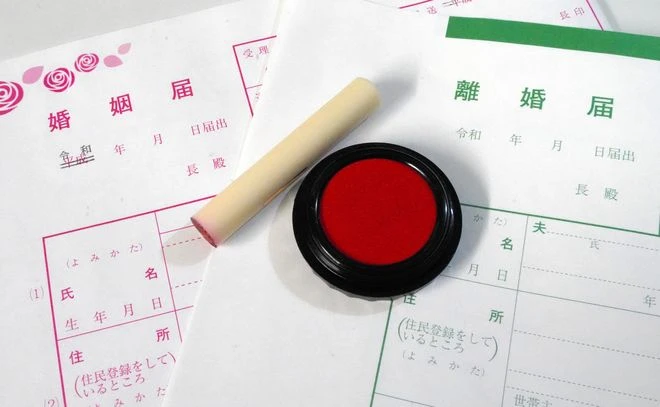
Choosing the right hanko to register as your jitsuin involves more care than picking an everyday stamp. This seal will represent you in legally binding financial agreements, so durability, legibility, and proper sizing all matter.
Size Jitsuin are typically larger than everyday stamps. The standard range for individuals is 13.5mm to 18mm in diameter. Most municipal offices accept anything within this range, but 15mm or 16.5mm is the practical sweet spot — large enough to produce a clear, legible impression, small enough to fit standard seal registration fields. Confirm with your local ward office if you are unsure, as some offices have specific requirements.
Name engraving for foreign residents Your name on the jitsuin must match your residence card exactly. If your residence card shows your name in the order Family Name / Given Name, that is the order that should appear on the seal. Katakana rendering of a foreign name is standard and widely accepted. Some ward offices require the full name; others accept family name only — check with your specific office before ordering.
Do not make assumptions about what abbreviation or rendering you prefer and engrave accordingly. The seal will be rejected at registration if the name does not match your residence card. This is the single most common registration failure for foreign residents.
Material For a jitsuin, material quality matters more than for an everyday stamp. You want something that holds its shape over years and produces consistent impressions under pressure. Recommended options:
- Titanium: Virtually indestructible, corrosion-resistant, and produces extremely clean impressions. The preferred choice for long-term residents who want a set-it-and-forget-it solution.
- Buffalo horn (tsuno): A traditional and durable natural material, valued for fine engraving detail.
- Ox bone: Dense and reliable, good mid-range option.
- Boxwood: A step down from the above but still far more durable than resin. Acceptable for a jitsuin but not ideal for a seal you plan to use for decades.
- Resin and acrylic: Fine for mitome-in and ginko-in, but less appropriate for a registered seal. These materials can warp or wear faster, which affects impression consistency.
Keep your jitsuin separate Once registered, your jitsuin should be stored separately from your everyday and bank seals. Using it for routine documents is unnecessary and creates unnecessary exposure. Treat it the way you would treat a passport — take it out when it is needed for a specific purpose, store it securely otherwise.
Ordering tips for foreigners
Ordering a jitsuin-grade hanko as a foreign resident requires a bit more planning than ordering an everyday stamp, but the process is manageable when broken into clear steps.
Practical checklist before and after ordering:
- Check your residence card first. Note the exact spelling of your name as it appears — including order, any middle names, and the official rendering. This is what your seal must match.
- Confirm your ward office’s requirements. Call or visit ahead of ordering to ask: (1) acceptable diameter range, (2) whether full name or family name only is required, and (3) whether katakana is accepted for foreign names. Most offices follow standard guidelines, but local variation exists.
- Choose a durable material. For a seal you will use in mortgage and loan paperwork, invest in titanium, horn, or bone. The cost difference over resin is modest relative to the stakes.
- Order from a maker who works with foreign names. Not every hanko maker has experience rendering foreign names in katakana accurately. Choose one that offers English-language input and confirms the engraving before production.
- Allow enough lead time. Custom jitsuin take three to seven business days to produce. If you have a loan closing, a property inspection, or any deadline attached, order at least two weeks in advance to allow for registration time as well.
- Register promptly after receiving your seal. Bring your residence card and the new seal to your city or ward office. The registration process itself is usually straightforward and takes under an hour. You will receive a registration certificate (toroku shomeisho) confirming the seal is on file.
- Request your first inkan shomeisho the same day. You will need it within three months for most transactions, so obtaining it at registration saves a return trip.
HankoHub offers jitsuin-grade hanko with options for the materials and sizes that meet registration standards, and English-language support to make sure your name is rendered correctly before production begins.
FAQ
Can a foreign resident register a jitsuin in Japan? Yes. Foreign residents who are enrolled in the Japanese residence registration system (jumin-ki) and hold a valid residence card are eligible to register a personal seal at their local city or ward office. The seal must bear a name that matches your residence card exactly.
What is the difference between a jitsuin and a mitome-in? A mitome-in is an unregistered everyday stamp used for routine documents. A jitsuin is officially registered with your municipal office and carries legal weight in major financial and legal transactions. Most people need both, but they serve entirely different purposes.
What is an inkan shomeisho and when do I need it? The inkan shomeisho is the certificate issued by your ward or city office confirming that your seal is registered. Lenders, notaries, and real estate agents will request it as part of major transactions. It is commonly required to be issued within three months of the transaction date, so it needs to be obtained fresh each time.
How much does it cost to register a jitsuin? Registration fees are set by your local municipal office and are generally nominal — often a few hundred yen. Obtaining an inkan shomeisho certificate is also inexpensive, typically around 300 yen per copy. The main cost is the seal itself.
What happens if my seal gets lost or damaged after registration? You can deregister the old seal and register a new one at your ward office. Until you do, the old registration remains on file, which is why it is important to report a lost seal promptly. Keep your jitsuin stored carefully and treat it as a high-value document.
Do I need a jitsuin for a regular bank account? No. Routine bank account operations use a ginko-in (bank seal registered with your bank), not a jitsuin. A jitsuin becomes relevant for major loan agreements and large financial transactions, not day-to-day banking.
My company is signing the loan, not me personally — do I still need a jitsuin? For sole proprietors signing loan documents in a personal capacity, yes. For employees of a company where the company is the primary signatory, the company’s corporate seal is typically used, not your personal jitsuin. Check with your lender to confirm what is required in your specific situation.
Next steps

If you are approaching a major financial transaction in Japan — whether that is a home purchase, a vehicle loan, or a large credit agreement — the time to sort your jitsuin is before you reach the signing table. Visit HankoHub to order a jitsuin-ready hanko in the right size and material for registration, with English-language support to make sure your name is engraved correctly. Once it arrives, your local ward office registration is the final step before you have a fully functional registered seal.